
Is Weed Helping Your ADHD, or Is It Making It Worse?
Jul 27, 2026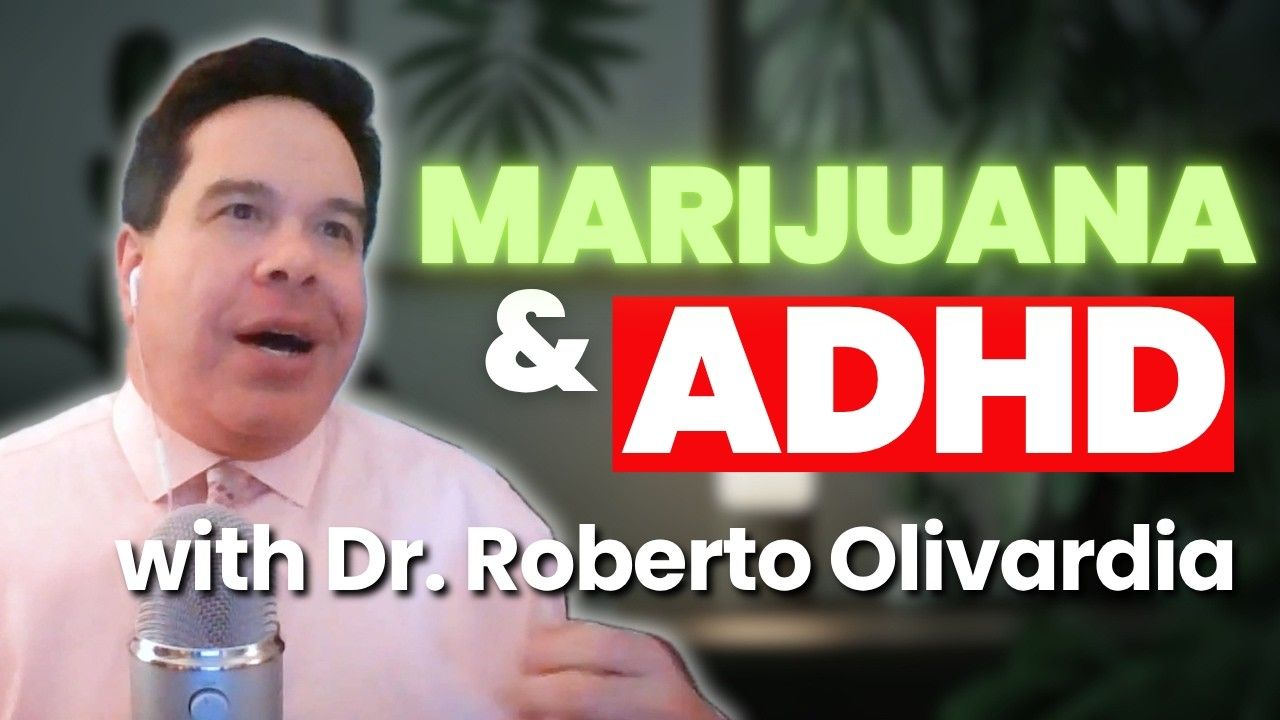
Listen to the episode: Apple Podcasts, Spotify
Many adults with ADHD say cannabis helps them slow down, sleep better, or quiet a busy mind. For some, it feels like a way to manage stress and escape constant mental noise. But does feeling better in the moment mean it's actually helping your ADHD?
Dr. Roberto Olivardia, clinical psychologist and Harvard Medical School lecturer, says it's important to separate temporary relief from long-term treatment. In this Attention Different podcast episode, he shares research that challenges many common beliefs about cannabis and ADHD while offering practical advice for anyone questioning their relationship with marijuana.
If you're wondering whether cannabis is helping or hurting your ADHD, these are some of Dr. Olivardia's biggest takeaways from the episode:
1. Know the Difference Between Self-Medication and Treatment
Cannabis may temporarily reduce stress, racing thoughts, or difficulty sleeping, but that doesn't necessarily mean it's treating ADHD. Understanding this distinction is the first step toward making informed decisions.
"Self-medication is different than treatment"—Dr. Roberto Olivardia
2. Treat the ADHD, Not Just the Symptoms
Many people with ADHD use cannabis because they're trying to manage everyday challenges like emotional overwhelm or difficulty focusing. Dr. Olivardia encourages listeners to work with professionals who can help treat the underlying ADHD instead of relying only on temporary symptom relief.
3. Let Go of Shame
People with ADHD are 2 to 4 times more likely to develop substance dependence than people without ADHD, according to Dr. Roberto Olivardia. He also explains that research shows about 70% of people with ADHD who use substances aren't trying to get high. They're actually trying to manage symptoms like anxiety, poor sleep, racing thoughts, or difficulty focusing. That's why struggling to stop doesn't mean you're weak or lacking willpower. Understanding how your ADHD brain works can help you replace self-judgment with self-awareness and find support that actually addresses the underlying challenges.
4. Build a Support System
Whether it's trusted friends, family members, or recovery groups like Marijuana Anonymous, having people who respect your goals can make recovery much easier.
5. Recovery Happens One Step at a Time
Dr. Olivardia reminds listeners that lasting change doesn't happen overnight. Building healthier routines, learning emotional regulation skills, and treating ADHD are all part of the recovery process.
ADHD Brains Are More Vulnerable
One of the biggest lessons from the conversation is that people with ADHD already experience challenges with executive function, which includes planning, organization, focus, emotional regulation, and decision-making.
According to Dr. Olivardia, research suggests that regular cannabis use may further weaken these abilities over time. While someone may feel calmer immediately after using cannabis, they may gradually experience greater difficulty with memory, motivation, and clear thinking without noticing the slow changes as they happen.
Rather than judging people who use cannabis, the episode encourages compassion and education. Many adults with ADHD are trying to cope with real struggles, but understanding how cannabis affects the brain can help people make healthier long-term decisions.
About Dr. Roberto Olivardia

Dr. Roberto Olivardia is a clinical psychologist, lecturer at Harvard Medical School, and a recognized expert in ADHD. He serves on ADDitude's Scientific Advisory Board and has spent many years helping individuals understand ADHD, executive functioning, emotional regulation, and related conditions. His research-based, compassionate approach has made him a trusted voice for clinicians, adults with ADHD, and the broader neurodivergent community.
